The Church of St. Cecilia
Solo | Academic | 2023
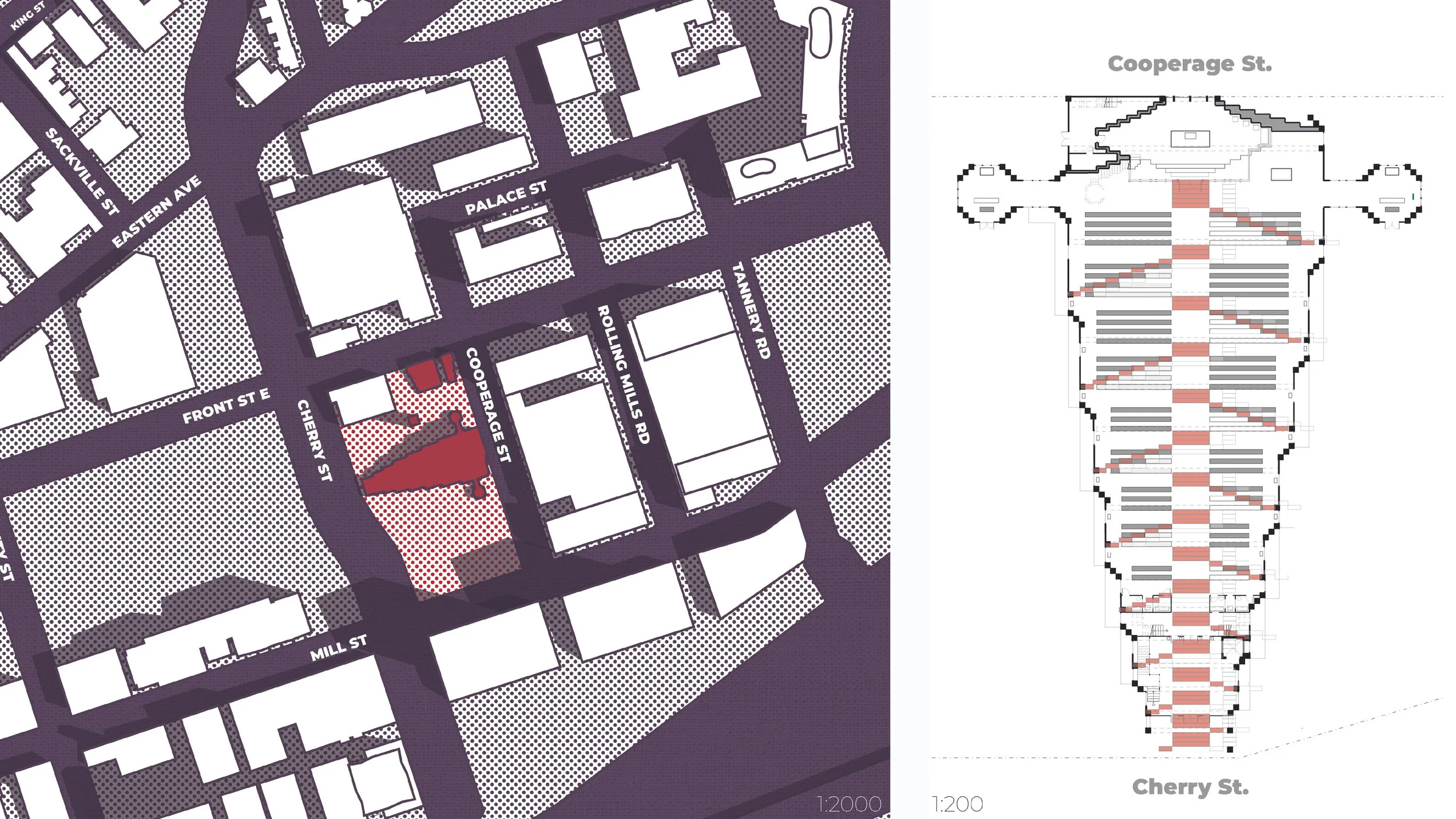
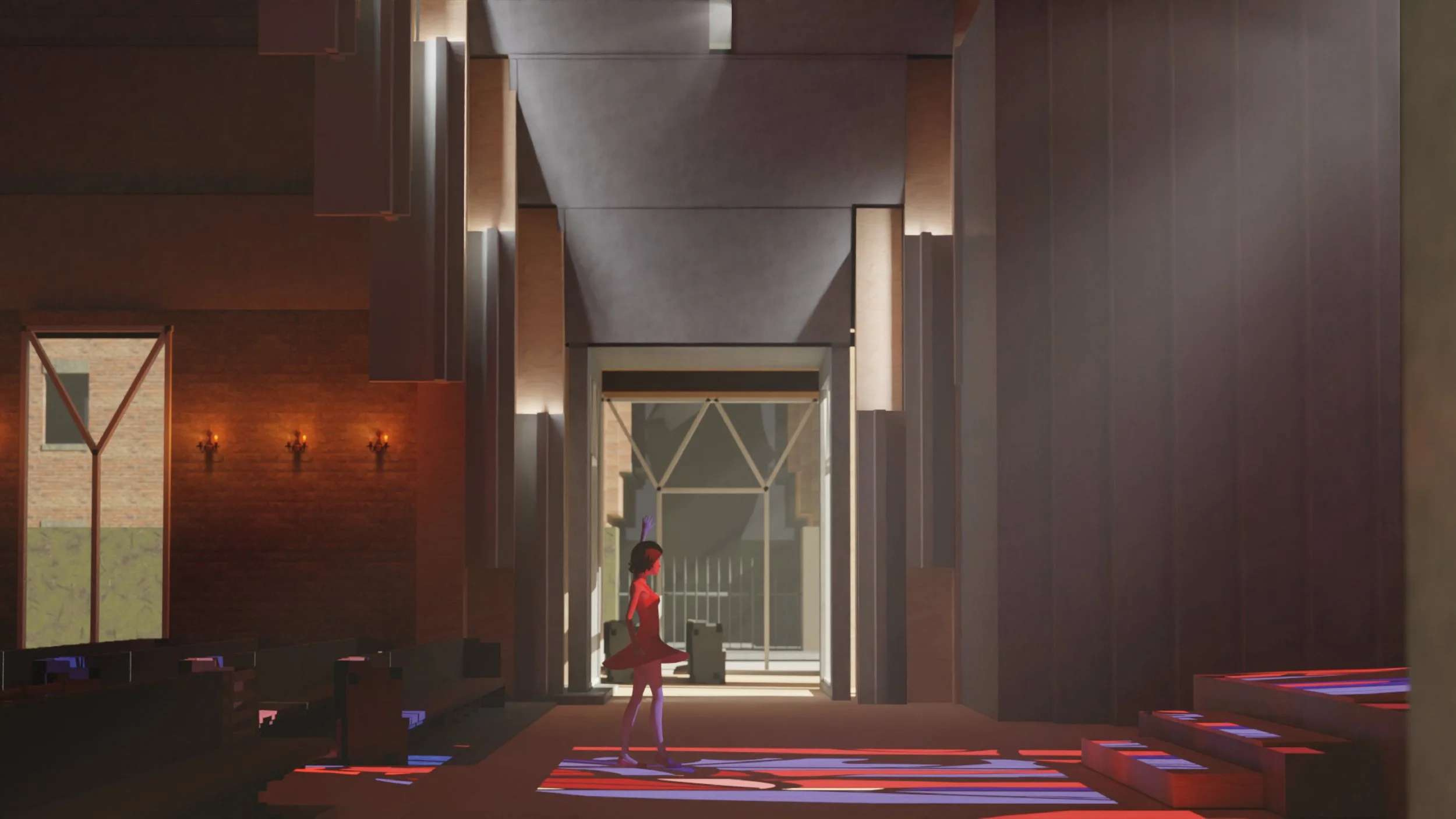
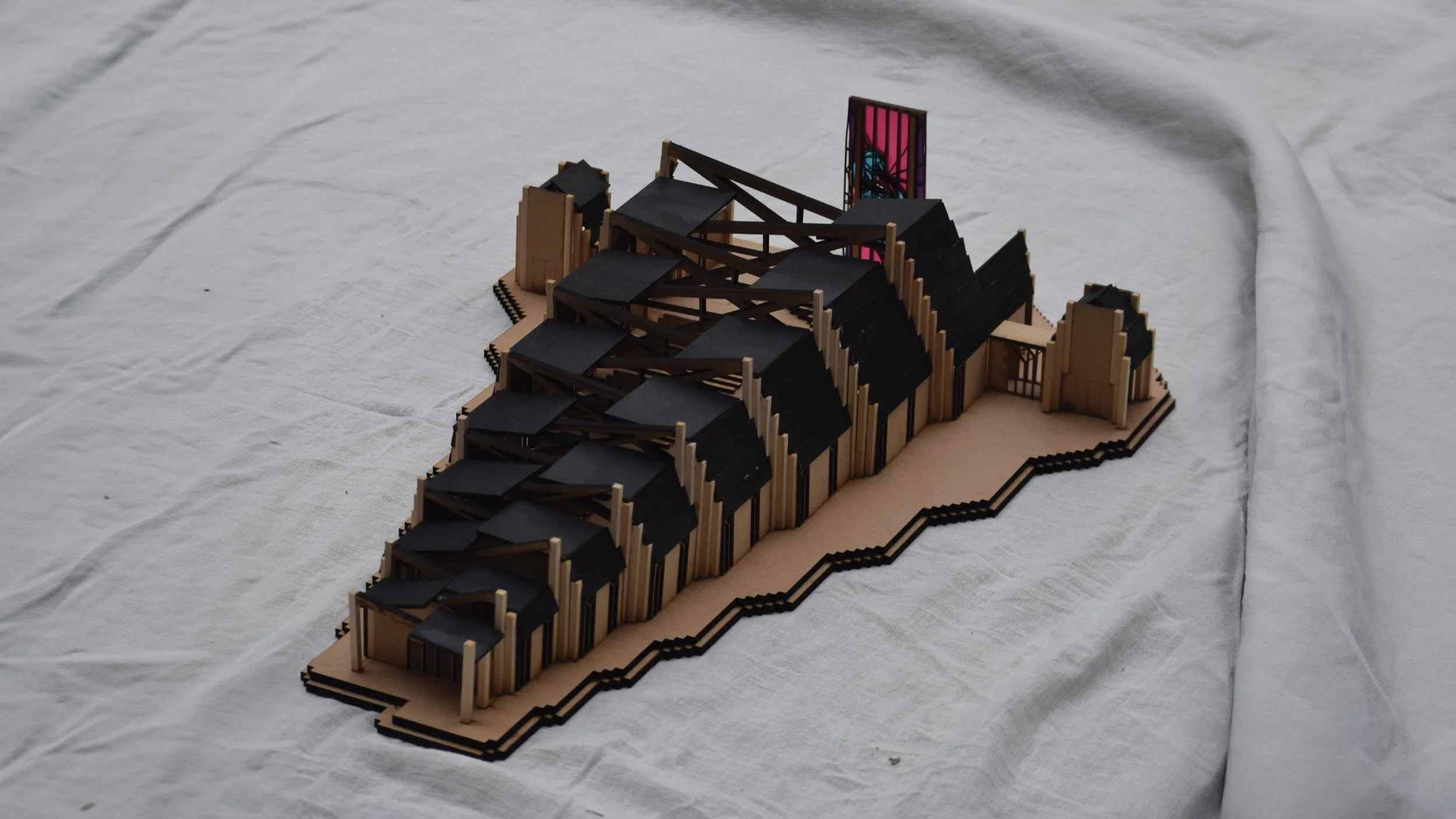
A Catholic Cathedral designed as a direct, meticulous translation of Arvo Part’s Spiegel Im Spiegel, which translates to Mirror-in-Mirror in english. The song follows a simple composition derived from sacred minimalism, which is seamlessly translated into this unique contemporary take on the traditional Catholic Cathedral.
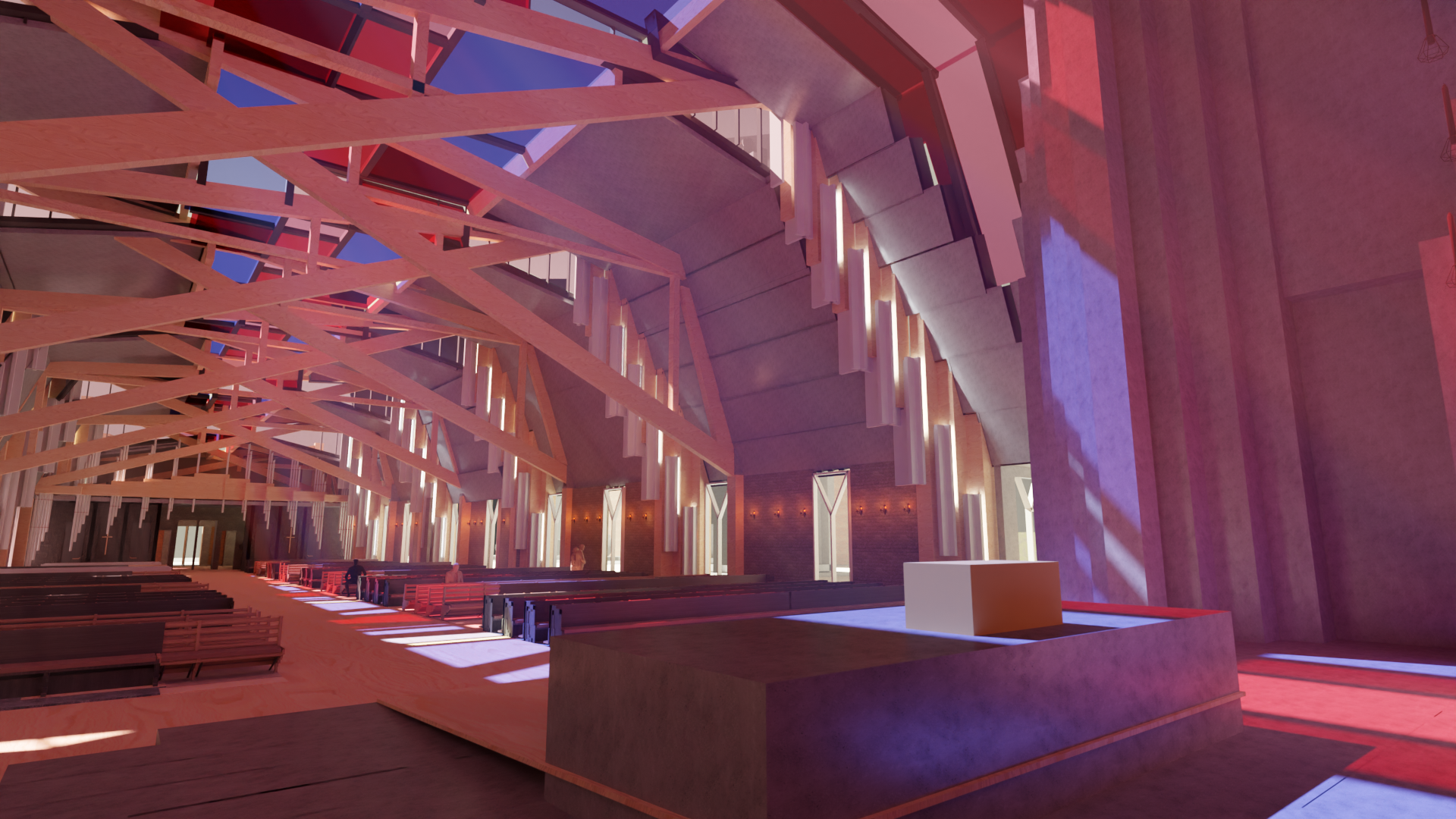
Through executing the seemingly simple task of painting the sacred, much was explored on a physical level, such as traditional Catholic rules of proportioning and symmetry, and on a metaphysical level such as finding ways to connect with the divine energies within us, as well as understanding what religious people find so compelling about “the Sacred”. Three main takeaways from this process were:
What is Sacred?
Religion achieves its power through allowing people to communicate their divine, incomprehensible feelings between each other through a shared belief.
1
Sacred feelings are not specific to those who practice religion, but are within every one of us. Through allowing ourselves to be vulnerable we may begin to understand and connect with these feelings.
2
Music is an incredibly powerful tool in connecting us with the sacred. I can personally effectively evoke sacred feelings through immersing myself in music, and through discussing with many others I found that many of us achieve divine experiences, often associated with visuals whilst listening to certain music.
3
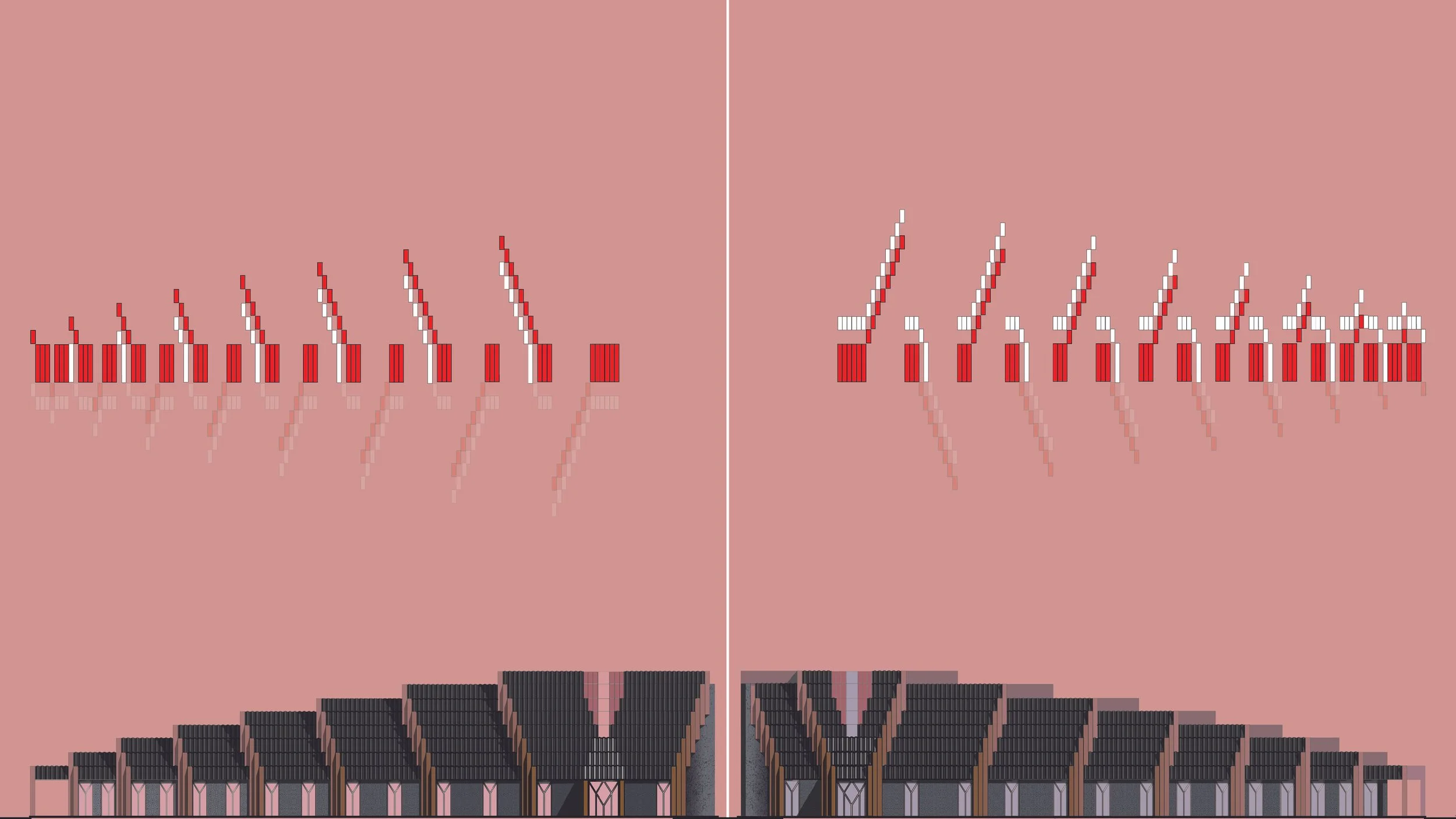
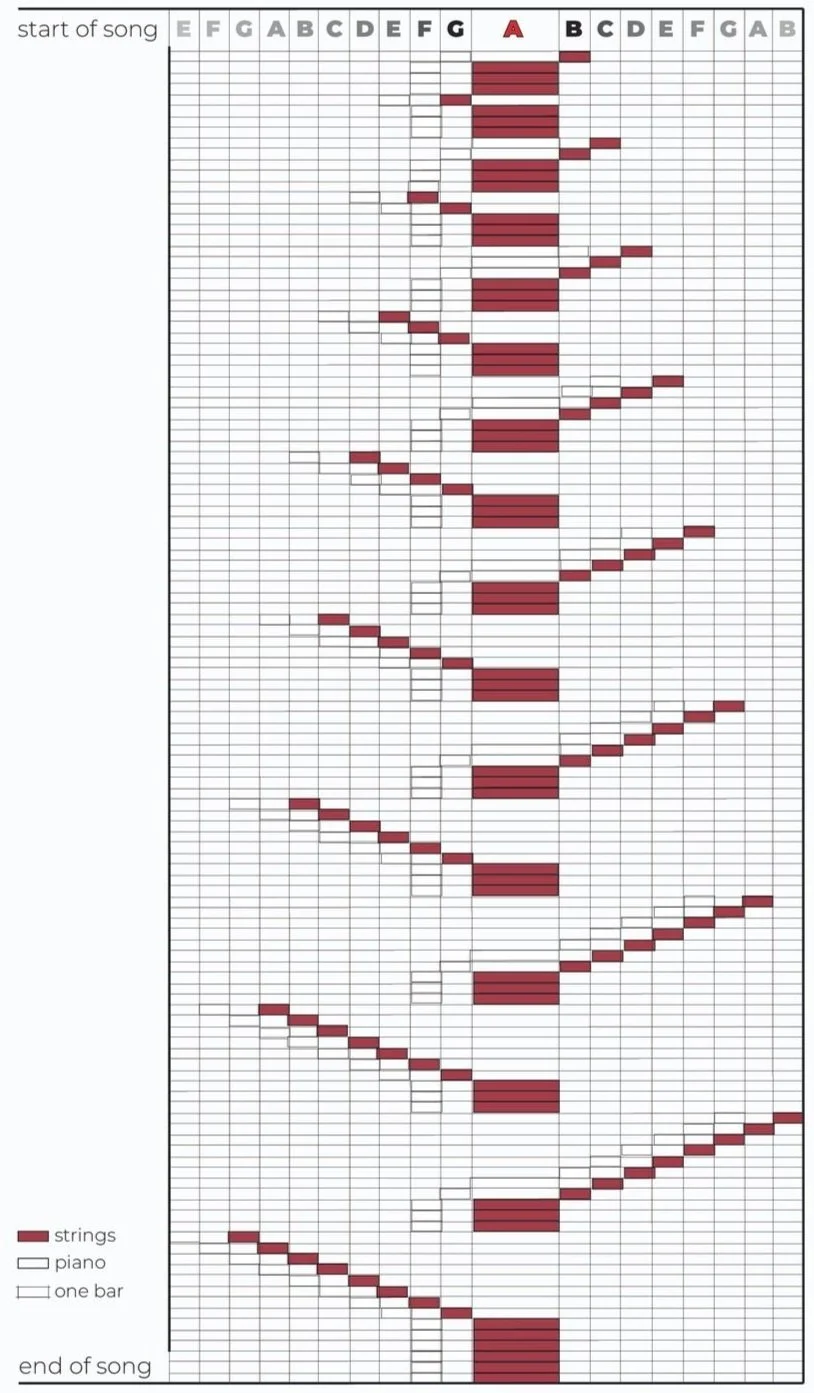
Following these discoveries, I began exploring architectural concepts that share qualities with religion, with a primary one being convergence. Throughout this I was also exploring more music that not only allowed me to experience sacred feelings, but also that would ‘objectively’ evoke the divine through a meticulously designed composition, thus removing the subjectivity from the design. Arvo Part’s Spiegel Im Spiegel does exactly that. Through a minimalist composition derived from sacred rhythms, the song creates an objective convergent point that resembles God - no matter how far the notes extend outwards of the A-note, they always arrive back at it. Upon this discovery, I visualized the notes of the song, bar-for-bar, into a diagram (right) that acts as the compositional lines for The Church of St. Cecilia in every possible view at every possible scale.